


 Hoàn trả mỗi ngày lên đến 2%

 Chat
Chat
 BLV
BLV
 Dự đoán kèo











Xoilac TV là sự lựa chọn lý tưởng để xem bóng đá tường thuật trực tiếp. Kênh đảm bảo chất lượng về hình ảnh, âm thanh cho khách bắt trọn những khoảnh khắc đắt giá trên sân cỏ. Bên cạnh đó, website còn mang đến nhiều thông tin hữu ích khác về bộ môn túc cầu. Dưới đây là phần review chi tiết nhất về kênh.
Giới thiệu kênh trực tiếp bóng đá Xoilac TV
Những người yêu thích thể thao, đặc biệt là bộ môn bóng đá chắc chắn đều là của fan của Xoilac. Bởi vì, nền tảng sở hữu nhiều ưu điểm vượt trội cho người dùng những giây phút thư giãn tuyệt vời. Bạn chỉ cần một chiếc điện thoại hay máy tính có kết nối internet là thoải mái xem tin tức cùng các trận đấu mình yêu thích.
Lịch sử hình thành
Nếu chúng ta xét đến bề dày lịch sử thì tính đến thời điểm hiện tại, website đã hình thành và phát triển được 8 năm. Tháng 10 năm 2017 là cột mốc đáng chú ý, đánh dấu sự rời của kênh. Nhưng một năm sau đó, khi tuyển Việt Nam tham dự ASIAD, website mới chính thức bùng nổ và được khách hàng săn lùng nhiều nhất.
Xoilac TV thời điểm này trở nên vô cùng nổi tiếng bởi lượng fan hâm mộ thầy trò Park Hang Seo liên tục tìm kiếm để thưởng thức các trận đấu. Điều khiến kênh nhận được sự ưu ái này là tất cả các lượt phát sóng trực tuyến đều có bản quyền. Trong khi đó, nhiều trang khác không được lợi thế này.

Về lịch sử và mục tiêu tương lai của Xoilac TV
Mục tiêu phát triển
Nền tảng không chỉ dừng lại ở thành công đó mà liên tục cải tiến, nâng cấp hệ thống, cập nhật công nghệ hiện đại cho khách những trải nghiệm tốt nhất. Chúng tôi phấn đấu trở thành website hàng đầu châu Á về bóng đá và phục vụ cho cả thị trường châu Âu.
Xôi Lạc TV với mục tiêu trở thành kênh giải trí chuyên về bóng đá miễn phí, chất lượng số 1 thế giới. Khách thoải mái đến đây xem những trận đấu yêu thích, cập nhật tin tức và còn có thể tham khảo thông tin soi kèo. Chúng tôi phục vụ mọi đối tượng nên tất cả mọi người đều có thể đến đây.
Đánh giá về chất lượng bóng đá trực tuyến của Xoilac TV
Sự thành công của kênh phải trải qua quá trình dài với nhiều thăng trầm, thử thách. Cho đến hiện tại, website đã giữ vững vị thế của mình trên thị trường. Thương hiệu đang nằm trong top 1 nền tảng giải trí bóng đá trực tuyến được khách hàng yêu thích và đánh giá tích cực nhất.
Phát sóng đá dạng giải đấu
Điểm ấn tượng và sáng giá nhất của kênh là trực tiếp bóng đá tất cả các giải trên khắp hành tinh. Bạn dễ dàng tìm được lịch trình phát sóng và theo dõi những cuộc tranh tài của các CLB châu Á, châu Âu, châu Phi và những mùa giải mang tầm quốc tế. Đáng chú ý nhất là mùa giải sau:
-
Châu Âu bao gồm: Ngoại hạng Anh, Bundesliga, La Liga, Serie A,...
-
Thế giới: Euro, World Cup, C1,...
-
Châu Á: AFF, Vô địch châu Á,...
-
…

Tất cả giải đấu đều được phát sóng trực tuyến tại Xoilac TV
Đường truyền mượt mà
Xoilac TV luôn đảm bảo tốc độ truyền tải dữ liệu nhanh cho người xem bắt trọn những khoảnh khắc đắt giá trên sân vận động. Điều này được lý giải nhờ kênh mua băng thông riêng nên không bị chia sẻ tài nguyên. Khách đánh giá, mặc dù phát trực tuyến nhưng độ trễ gần như bằng không, tình trạng giật lag, gián đoạn hoàn toàn bị loại bỏ.
Video chất lượng full HD
Xem bóng đá trực tuyến tại website là trên cả tuyệt vời. Video full HD đảm bảo chất lượng hình ảnh siêu nét cho bạn cảm giác vô cùng chân thực. Âm thanh cực kỳ sống động tạo bầu không khí sôi sục, rực lửa như đang ở sân vận động. Đây có thể xem là một dấu ấn tuyệt vời khiến Xoilac TV chiếm trọn tình cảm của khách.
Dàn bình luận xuất sắc
Một điểm cộng không thể bỏ qua của website là dàn bình luận viên. Họ đến từ các kênh bóng đá nổi tiếng, được đào tạo bày bản, có chuyên môn giỏi. Bên cạnh đó, giọng nói cũng cực kỳ truyền cảm dẫn dắt người xem qua từng cung bậc cảm xúc. Bạn sẽ vô cùng thích thú khi theo dõi các trận bóng đá có sự tham gia của BLV xuất sắc như thế này.
Không phát video quảng cáo chen ngang
Xoilac TV không đính kèm quảng cáo khiến khách khó chịu khi đang phát trực tuyến. Mặc dù, chúng tôi không thu phí nhưng luôn đảm bảo chất lượng video. Chính ưu điểm này đã thu hút hàng triệu thành viên đến trang giải trí.

Video trên XoilacTV không đính kèm quảng cáo
Theo dõi đa thiết bị
Xôi Lạc TV tương thích trên mọi nền tảng. Khách có thể dùng bản web bằng cách truy cập link chính thống của trang hoặc tải app về cài vào điện thoại. Tất cả đều chạy rất mượt, đầy đủ tính năng để mọi người giải trí thoải mái.
Hoàn toàn miễn phí
Khách xem đá bóng, tin tức thể thao hoàn toàn miễn phí tại kênh. Chúng tôi áp dụng chính sách này vì quyền lợi khách hàng. Thông tin tại đây đều đảm bảo mức độ chính xác tại thời điểm cập nhật. Các bài chia sẻ thuộc bản quyền Xoilac TV do đội ngũ săn tin cung cấp và biên tập soạn lại một cách chỉnh chu, ngắn gọn và súc tích nhất.
Không cần đăng ký
Nếu những website khác luôn yêu cầu khách phải mở tài khoản mới được xem đầy đủ bản tin thì chúng tôi áp dụng chính sách ngược lại. Bạn không cần cung cấp bất kỳ dữ liệu cá nhân nào cho trang. Quyền lợi là vẫn có thể xem bóng đá trực tiếp và tin tức không giới hạn thời gian.
Giao diện đẹp mắt
Xoilac TV ngoài nội dung chất lượng còn gây ấn tượng bởi trang chủ cuốn hút. Thiết kế website theo phong cách hiện đại nhưng tạo cảm giác thân thiện, gần gũi. Hình ảnh cực kỳ siêu nét, màu sắc trung tính rất hài hoà. Điểm nhấn là màu xanh thư giãn cho chúng ta sự thoải mái, nhẹ nhàng khi truy cập vào giao diện.
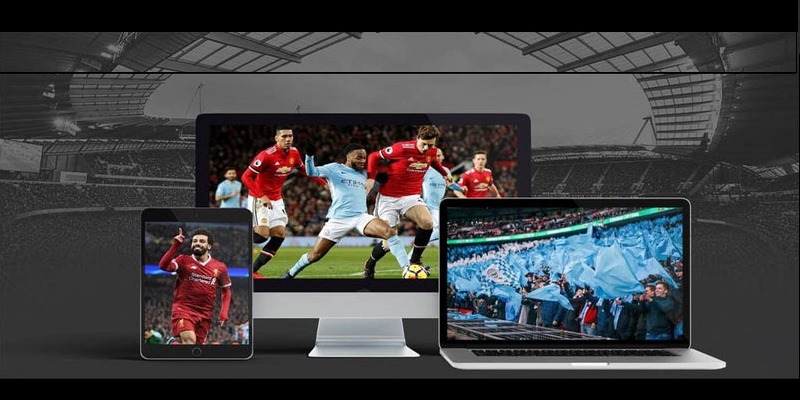
Giao diện kênh gây ấn tượng mạnh mẽ
Dễ sử dụng
Bố cục hợp lý, khoa học dành cho mọi đối tượng. Bất kỳ thành viên nào đến với website cũng sẽ nhanh chóng làm quen chỉ qua vài cú nhấp chuột. Bên cạnh đó, bạn cũng dễ dàng tìm kiếm thông tin mình cần chỉ bằng một từ khoá. Ngoài ra, website còn tích hợp tính năng chuyển đổi ngôn ngữ. Bạn tuỳ chỉnh theo ý muốn và sử dụng tiếng Việt một cách dễ dàng.
Link dự phòng đa dạng
Xem trực tiếp bóng đá trên Xoilac TV rất tiện lợi vì được cung cấp nhiều link dự phòng. Người xem có thể chuyển đổi nếu đường truyền không chất lượng như mong muốn. Chúng tôi chia sẻ link ngay trước trận đấu diễn ra khoảng 1 giờ. Các bạn hãy cập nhật liên tục để nhận URL nhanh nhất. Hệ thống link xếp theo thứ tự từ cũ đến mới để khách thay đổi khi cần.
Các tính năng, chuyên mục có trên Xoilac TV
Để người mới hiểu rõ hơn về kênh giải trí, chúng ta cùng tìm hiểu chi tiết các chuyên mục mà trang web cung cấp.
Trực tiếp bóng đá
Với lợi thế là bản quyền phát sóng, trang tường thuật tất cả những giải đấu nổi tiếng trên thế giới phục vụ khách hàng. Bạn muốn xem bất kỳ trận nào hãy đến website nhận link. Chúng tôi cung cấp miễn phí video bóng đá trực tuyến và cam kết chất lượng trên cả tuyệt vời.
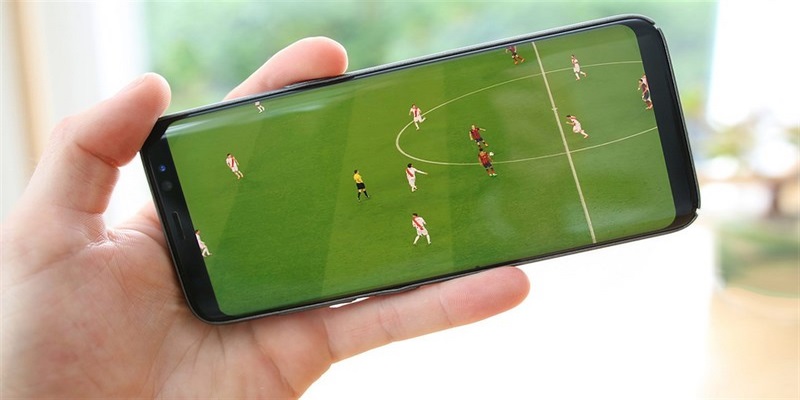
Phát livestream bóng đá là chức năng chủ đạo của website
Lịch thi đấu
XoilacTV là nơi cập nhật lịch thi đấu đầy đủ và chi tiết nhất. Khách đến chuyên mục sẽ dễ dàng theo dõi thời gian diễn ra các cuộc tranh tài và quy đổi sang múi giờ Việt Nam nên rất tiện lợi. Bạn cũng có thể kiểm tra lịch của những đội bóng, giải đấu khác thông qua chứng năng tìm kiếm.
Bảng xếp hạng
Tại những giải đấu lớn sẽ diễn ra theo nhiều vòng nên luôn có bảng xếp hạng. Đây là nơi thể hiện kết quả của từng CLB sau mỗi lượt đi và về. Khách dựa vào đây để nhận biết phong độ đội mình yêu thích. Bảng xếp hạng trên Xoilac TV còn cho fan nhận diện đội nào sẽ đi tiếp vòng sau và CLB nào xuống hạng cần thi đấu play-off.
Kết quả bóng đá
Xoi Lac TV cập nhật liên tục tỷ số trận đấu từ khi nhập cuộc đến lúc kết thúc. Nếu fan không sắp xếp thời gian theo dõi trực tiếp thì đến chuyên mục lịch thi đấu để xem diễn biến tỷ số. Đây cũng là một chủ đề quan trọng giúp khách hàng có được những thông tin soi kèo chuẩn.
Nhận định trước trận
Nhận định từ chuyên gia bóng đá góp một phần không nhỏ vào việc đưa ra dự đoán chính xác kết quả trận đấu. Chính vì thế tính năng này tại Xoilac TV nhận nhiều đánh giá tích cực từ khách. Những bạn thích cá cược bộ môn túc cầu dùng tư liệu quý giá này kết hợp cùng kinh nghiệm của mình sẽ cho tỷ lệ thắng cao.
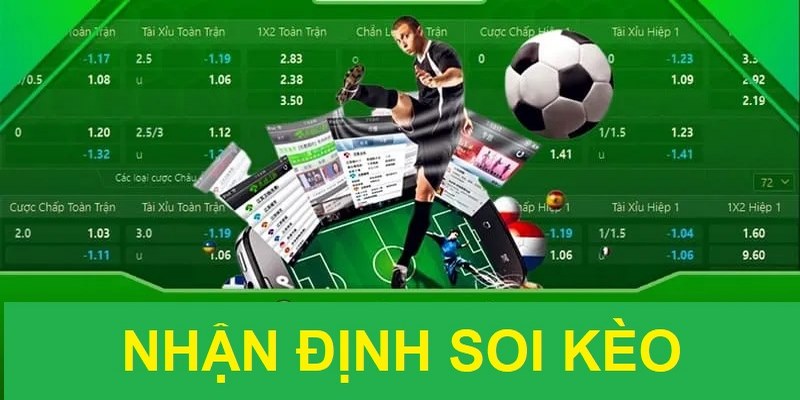
Xoilac TV chia sẻ nhận định soi kèo đến từ chuyên gia
Tin tức và cẩm nang bóng đá
Trước hết, chúng ta nói về các bản tin. Website liên tục cập nhật các chủ đề mới nhất, hot nhất. Nội dung mang tính độc quyền do đội ngũ nhân viên và cộng tác viên chúng tôi săn được. Chính vì thế, thông tin rất hấp dẫn, bài viết vô cùng đa dạng liên quan đến cầu thủ, huấn luyện viên, chuyển nhượng, bên lề,...
Xoilac TV còn là quyển cẩm nang không thể thay thế. Bạn muốn tìm hiểu kiến thức về bộ môn túc cầu thì hãy đến đây. Những chuyên gia soi kèo còn chia sẻ nhiều tuyệt chiêu thắng lớn khi tham gia cá cược bóng đá. Chuyên mục vô cùng hữu ích, mang giá trị thực mà mọi người không thể bỏ qua.
Highlight và Livescore
Đây là 2 tính năng nổi bật của kênh mang đến nhiều tiện ích cho fan hâm mộ nếu không có thời gian xem phát sóng trực tiếp.
-
Highlight: Video ghi lại những khoảnh khắc hấp dẫn nhất trên sân cỏ, chẳng hạn như: Thời điểm lập bàn thắng, kiến tạo, các quả phạt, pha vào lưới đẹp,...Thậm chí là những giây phút gây tranh cãi phải check VAR cũng có đầy đủ tại video Highlight.
-
Livescore: Xoilac TV phát triển tính năng này nhằm giúp khách tìm kiếm thông tin nhanh nhất và chính xác nhất chỉ với một từ khoá. Đây là cách tiết kiệm thời gian mà hiệu quả vượt trội nên khách rất hài lòng.

Tính năng Highlight và Livescore nổi bật
Kết luận
Xoilac TV trở thành sự lựa chọn hàng đầu của người hâm mộ bóng đá. Chúng ta vừa được xem phát sóng trực tiếp các trận đấu vừa cập nhật tin tức hấp dẫn. Những bạn chơi cá cược sẽ nhận về nhiều thông tin hữu ích về nhận định soi kèo giúp gia tăng phần trăm chiến thắng. Vậy thì còn chần chờ gì mà mọi người không truy cập trang chủ kênh để giải trí ngay hôm nay.


